Is Lucky Mister Safe? Trust and Licence Checks
 Available in GB
Is Lucky Mister Casino safe for UK readers? The honest answer is that safety cannot be reduced to a single rating. No UK Gambling Commission licence record for Lucky Mister was found at the time of writing, so this guide does not describe the brand as UKGC-licensed, UK-regulated or fully legal for British consumers. The brand’s own pages show support routes and responsible-gambling links, while a reputable third-party review flags licence and ownership concerns and a third-party complaints page records an unresolved complaint involving a UK player. Those signals do not prove that any individual reader will have a bad experience, and they do not justify a flat “safe” label either. A UK reader should separate official brand evidence, regulator checks, third-party reviews and player complaints, weigh what is missing as much as what is visible, and treat any single trust label with caution.

Table of Contents
- Evaluating Casino Trust Sources
- What the official Lucky Mister pages support
- The licensing gap is the central caveat
- Third-party reviews and what they actually tell a reader
- Complaint signals: useful but narrow
- Responsible gambling: what is visible, what should be added by the reader
- Entity confusion is part of the trust picture
- What this page does not claim
- Trust evidence checklist for UK readers
- Bottom line
- FAQ
Evaluating Casino Trust Sources
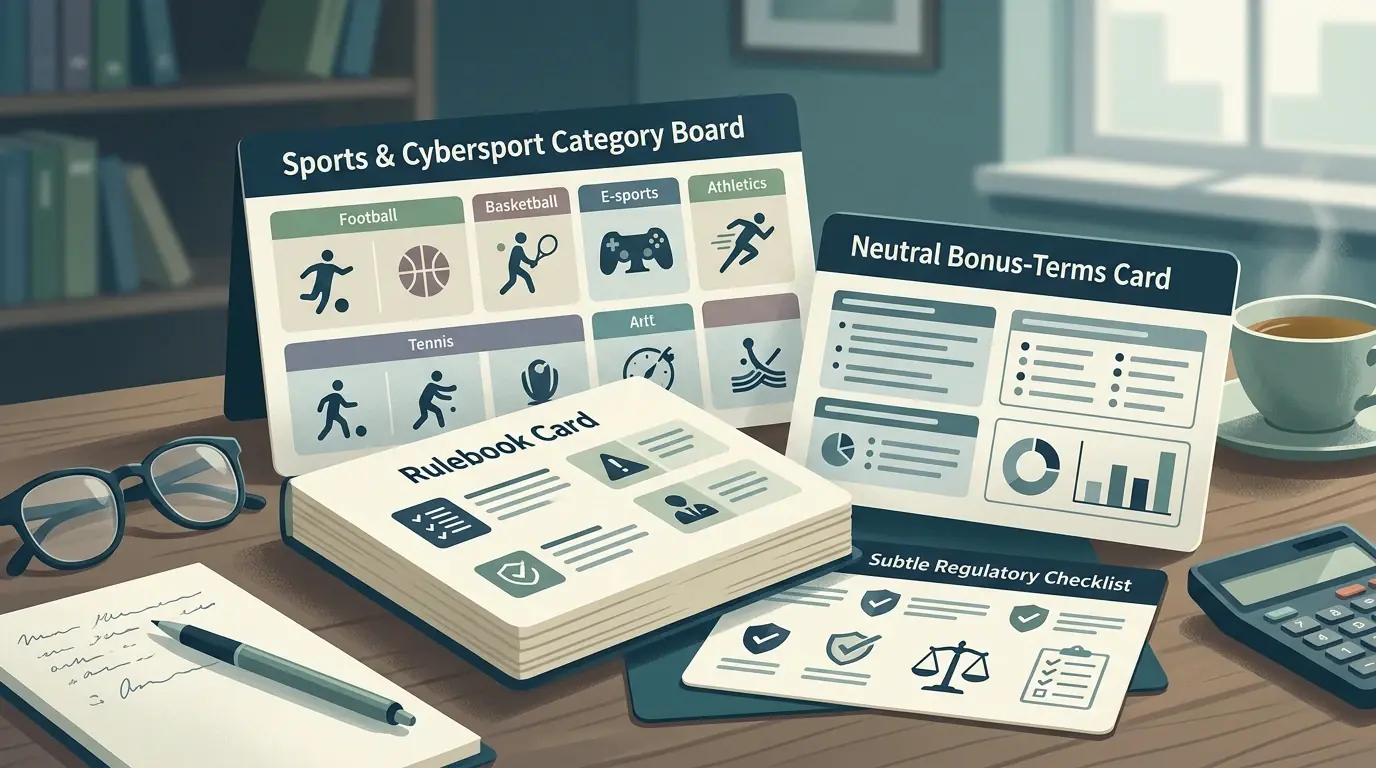
The most useful trust frame separates the question of safety into four source types, because each one answers something different and none answers everything. An official brand page can show current terms, contact routes and account rules. The Gambling Commission register can show whether a Great Britain licence has been issued and is currently active. A third-party review can highlight risk patterns and ownership questions across a brand portfolio. A complaints page can show what individual players alleged and how mediation attempts ended.
Merging those source types into one number is where most “safe” or “scam” verdicts go wrong. A review saying “decent game selection” does not settle licensing. A complaint saying “delayed withdrawal” does not establish a general payout policy. A visible login page does not establish UK availability. The opposite is also true: a third-party warning is not proof that every reader will be harmed, and a regulator silence is not proof that an operator is unsafe in every way. The cautious response is to collect evidence, mark what is missing, and avoid decisions that depend on assumptions the evidence does not support.
What the official Lucky Mister pages support
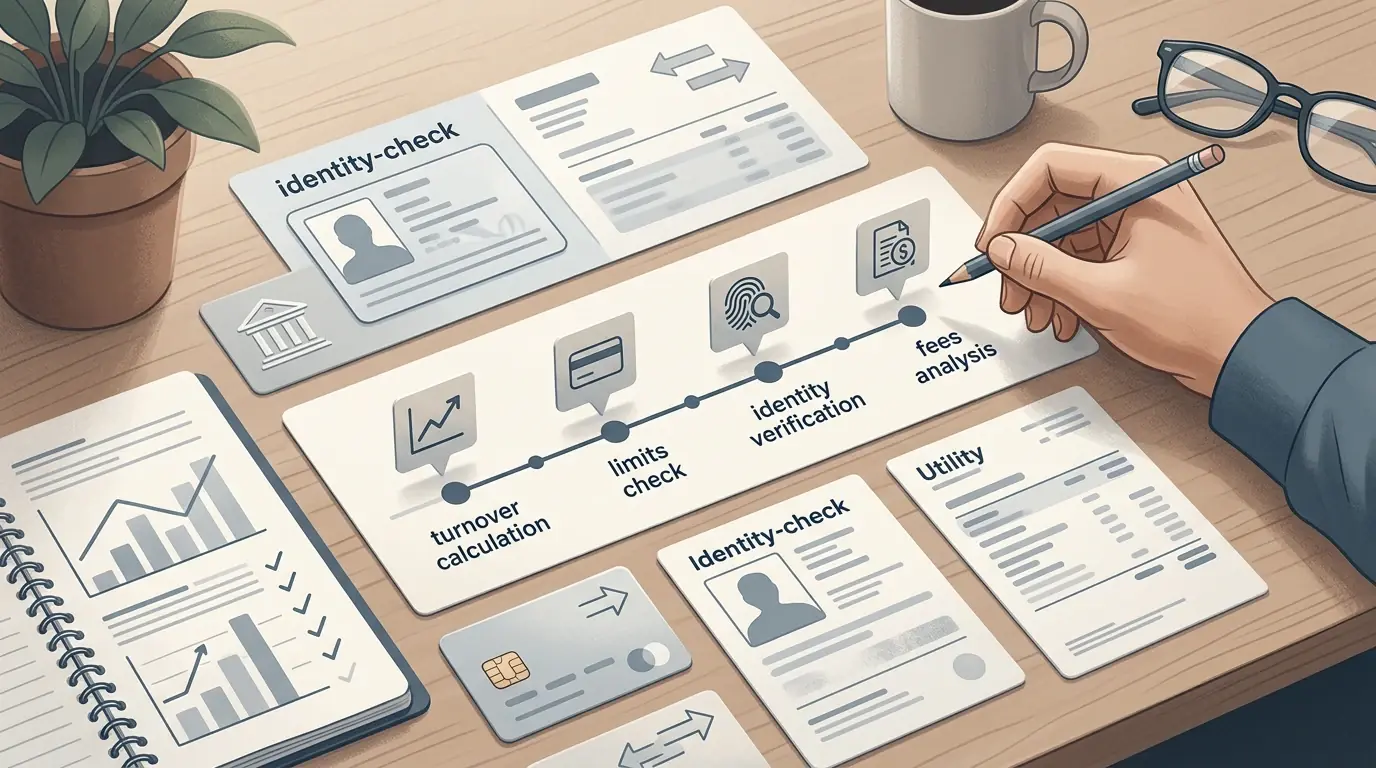
Lucky Mister’s own English pages support a useful but narrow set of statements. The about page describes browser-based play with no download. The contact page shows a phone number, an email contact link and an online-chat link. A responsible-gaming page links out to BeGambleAware and GamCare. The terms include rules about account ownership, source of funds for payments, deposit turnover before withdrawal, and a possible 20% fee for withdrawals not involved in play.
That is enough to say the brand has support routes, an in-app contact option and visible safer-gambling references. It is not enough to assert that those tools work as expected in every case, that British players are treated identically to other markets, or that the full set of safer-gambling controls available at a UK-licensed operator is present here. Where details are not visible, they should not be invented. Cautious account-control checks and direct contact with support are the practical route when something matters and is not clearly answered on the public pages.
The licensing gap is the central caveat
A Great Britain remote casino licence is not a guarantee of perfection, but it is the structural reason most UK trust frameworks make sense in the first place. The licence brings the public register, the credit-card gambling ban, online slots stake limits, financial vulnerability checks, GAMSTOP coverage and an approved alternative dispute resolution route. None of those can be assumed for an operator that does not appear in the register.
For Lucky Mister, a Gambling Commission register check did not return a verified entry at the time of writing. That is the single most important data point on this page. It does not prove that an account opening will fail, nor that an individual British player has been harmed. It does mean that the local protection framework cannot be relied on as the safety net around the brand. The fuller licensing discussion sits on the dedicated licence and legal status page; the trust implication is that every other signal on this page should be read in the context of a missing local authorisation.
Third-party reviews and what they actually tell a reader
A reputable third-party casino review of Lucky Mister flags licence and ownership concerns and discusses risk signals that a UK reader should be aware of. Treat that as risk context, not as official brand text. A review of this type is useful because it surfaces concerns and aggregates patterns across an operator’s history. It is not a regulator, it is not a court, and it does not replace the operator’s own current terms or a current Gambling Commission entry.
Practical use of a third-party review is to ask three questions of it. What concrete issues does it document, and with what dates and sources? How does it describe the operator’s licensing claims, and does that match what the public register shows? Does the review reach an overall risk-tier verdict, and does its methodology explain how it gets there? The same reading applies to Trustpilot-style profiles, casino-watchdog pages and other consumer-facing review platforms. The dedicated complaints and reputation page goes into more detail on how to weigh review-site signals.
Complaint signals: useful but narrow
A third-party complaints page records what individual players alleged and how a mediation attempt ended. In the case of Lucky Mister, an unresolved complaint involving a UK player has been recorded on such a page. A single complaint is not statistical proof and it is not a court judgement, but it is also not nothing. It indicates that at least one player has gone outside the operator’s own support flow and that the public mediation attempt did not reach a closed conclusion.
The right use of a complaint signal is to look at what the dispute was about, how the operator responded, and how the issue was framed. Complaints about KYC delays, withdrawal holds, bonus voiding and account closures are recurring themes across the industry and deserve attention. They should be read alongside the withdrawal terms page, which explains how Lucky Mister’s own terms describe deposit turnover, possible fees and identity checks before payout.
Responsible gambling: what is visible, what should be added by the reader
The Lucky Mister responsible-gaming page links to BeGambleAware and GamCare. That is a recognisable signpost for UK readers and is appropriate to highlight. What it does not establish is the full set of practical controls that some readers will want: documented deposit limits, time-out tools, reality checks, session reminders, easy-to-find self-exclusion within the account interface and a clear escalation path for harm concerns. Where those tools are not clearly visible, they cannot be assumed to be present and working.
A practical reader-side response is to add external controls regardless of what any operator offers. The National Gambling Helpline run by GamCare is free, confidential and open 24 hours on 0808 8020 133, with online chat available through the GamCare website. GAMSTOP self-exclusion can be activated at gamstop.co.uk; that is a Great Britain-licensed-operator scheme rather than a cross-industry global block, but it remains a strong local control. GambleAware funds and signposts treatment services across the UK. None of these depends on any specific casino brand. The dedicated GAMSTOP and self-exclusion page explains scope and the no-bypass rule.
Entity confusion is part of the trust picture
UK search results around Lucky Mister can include similarly named domains, review-site profiles, login guides and affiliate pages. A trust assessment is harder when it is not clear which page is the operator and which is third-party commentary. Login attempts on the wrong domain are the most direct way for credentials to leak, and bonus or payment claims on the wrong page can mislead a reader into expectations the operator does not actually support.
The dedicated official site check covers domain verification in detail. The trust implication is that source identity belongs in the safety framework rather than alongside it. A “safe” verdict that ignores which page the reader is looking at is not really a safety verdict.
What this page does not claim
No flat “safe”, “safest” or “guaranteed” label is applied to Lucky Mister here. No “scam” or “fraud” verdict is published either, because such a verdict would need a specific evidential basis, not a sweeping label. No star rating, trust score or methodology-free numeric grade is invented for the brand, because a number without a defined and documented methodology adds noise rather than information.
What this page does claim is narrower: no local authorisation has been confirmed, several official support and responsible-gambling routes are visible, third-party signals flag licence and complaint concerns, and the right next step for a UK reader is to keep these source types separate and to apply external safer-gambling controls rather than rely on any one brand-side assurance.
Trust evidence checklist for UK readers
- Check the Gambling Commission register directly, by exact legal entity, trading name and current status, before accepting any “UKGC-licensed” claim.
- Verify the source domain before logging in, depositing or sharing identity documents.
- Read the operator’s current terms for country restrictions, KYC, account closure, bonus eligibility, withdrawal fees and turnover rules.
- Treat third-party reviews as risk context, not as the operator’s voice.
- Treat individual complaints as serious but specific signals, not as general policy proof.
- Use external safer-gambling controls regardless of what the operator displays: GamCare, GAMSTOP, GambleAware, bank-level gambling blocks and device-level blockers.
- Step away from the comparison entirely if the search is connected to a current self-exclusion or to gambling harm.
Bottom line
Lucky Mister cannot be summed up as “safe” or “unsafe” in one word for a UK reader. The available evidence points to a brand that has visible official pages, browser-based mobile play, support routes and BeGambleAware/GamCare signposting, alongside a missing UK Gambling Commission entry, third-party concerns about licence and ownership, and a recorded unresolved complaint involving a UK player. That mix calls for caution: separate the source types, apply external safer-gambling controls, expect KYC and turnover rules before any meaningful payout, and do not let a brand-side label substitute for direct verification.
FAQ
Is Lucky Mister Casino safe for UK players?
No flat “safe” label is appropriate. No UKGC licence record for Lucky Mister was found at the time of writing, third-party sources flag licence and complaint concerns, and the operator’s own pages show support routes and BeGambleAware/GamCare signposting. UK readers should separate official, regulator, review and complaint evidence rather than rely on a single verdict.
Is Lucky Mister UKGC-licensed?
A Gambling Commission register check did not return a confirmed Lucky Mister listing at the time of writing. Without a verified entry, the brand should not be described as UKGC-licensed, UK-regulated or fully legal for British consumers.
What do third-party reviews say about Lucky Mister?
A reputable third-party casino review flags licence and ownership concerns and discusses risk signals. That is risk context, not the operator’s voice. The wider complaints and reputation page covers what review-site and complaint signals do and do not show.
Where can a UK reader get safer-gambling help?
The National Gambling Helpline run by GamCare is free, confidential and open 24 hours on 0808 8020 133. GAMSTOP self-exclusion can be activated at gamstop.co.uk. GambleAware funds and signposts treatment services across the UK. None of these depends on a specific casino brand.
How should I weigh a single complaint against an operator?
A single complaint is not statistical proof, but it is not nothing either. Read what the dispute was about, how the operator responded and how the mediation attempt ended, then compare that with the operator’s own terms for KYC, deposit turnover and withdrawal rules.
It is crucial to analyze recent player complaints and withdrawal disputes to gauge the true reliability of the operator.
For a complete breakdown of player safety and licensing, return to our independent UK gambling review site.
Published by the Lucky Mister Casino team.